







牛首山文化旅游区不是一座单一的纪念碑,而是一座有着十五个世纪建筑的山。没有计划的初次到达的游客最终会在停车场、班车站点和纪念品地图之间来回穿梭,但仍然错过了一半的故事。本指南将按照您到达的顺序介绍十二个真正重要的景点,并讲述每一个景点都值得驻足观赏的历史。.
要点
- 一山,三个时代: 一座 6 世纪的石窟寺、一座唐代禅宗、一座 21 世纪的佛舍利宫殿。.
- 仅宫殿就证明了这次旅行的合理性 — 评论家将其内部装饰与高迪的圣家堂进行比较。.
- 山很大: 购买全天班车(约 20 元)并将此列表视为随上随下路线。.
- 不要跳过“小”景点 — 郑和墓和岳飞的堡垒安静而历史悠久,与宫殿的景观形成了平衡。.
- 从 $21.75 一张门票涵盖所有十二个站点。.
攀爬之前: 抢票 携程网 (从 $21.75 开始,即时电子票),在入口处拿起一张英文地图,并查看当天的通知 - 个别建筑物有时会关闭以进行维护。.
十二大亮点
1. 佛尼萨宫正面。. 您的第一眼看到的也是最超现实的:一座巨大的石头立面,雕刻在前矿坑的圆形剧场中。评论家们用古代文明来描述它——“建筑看起来像希腊或埃及”是真正的第一印象——它为里面的一切定下了基调。.
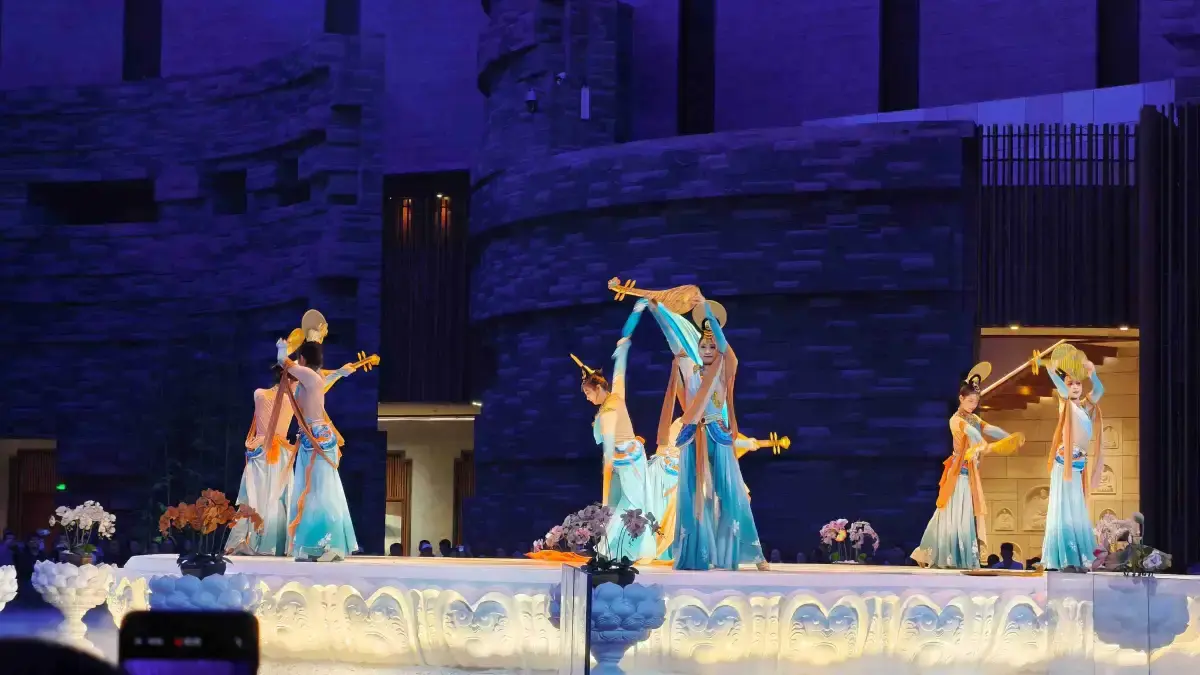
2. 蓝厅。. 过了门槛,灯光就变了。宫殿的门厅闪烁着深沉的仪式蓝色光芒,层次分明,就像宝石钟的内部一样。这是大多数游客停止说话的时刻;一位评论家简单地写道:“简直无语。我以前从未见过这样的地方。”
3.大穹顶和小穹顶。. 宫殿围绕两个圆顶组织,代表外部和内部崇拜——建筑作为佛教教义。按顺序走这两处,在你阅读单个面板之前,这座建筑会解释它自己的神学。.
4.地宫。. Six floors below ground and three above, built into the original mine pit, the underground palace descends through chamber after chamber of reliquary art. It is the structural heart of the “Buddha’s Peak Palace” concept — themed entirely on the worship of the skull relic of Sakyamuni, enshrined here on the mountain.
5. The Relic Hall. The holiest room on the mountain. Even empty of ceremony it is breathtaking; on special Buddhist festivals the relic itself is brought out for public worship — a scene pilgrims cross continents to witness (confirm dates on +86-4001656363).
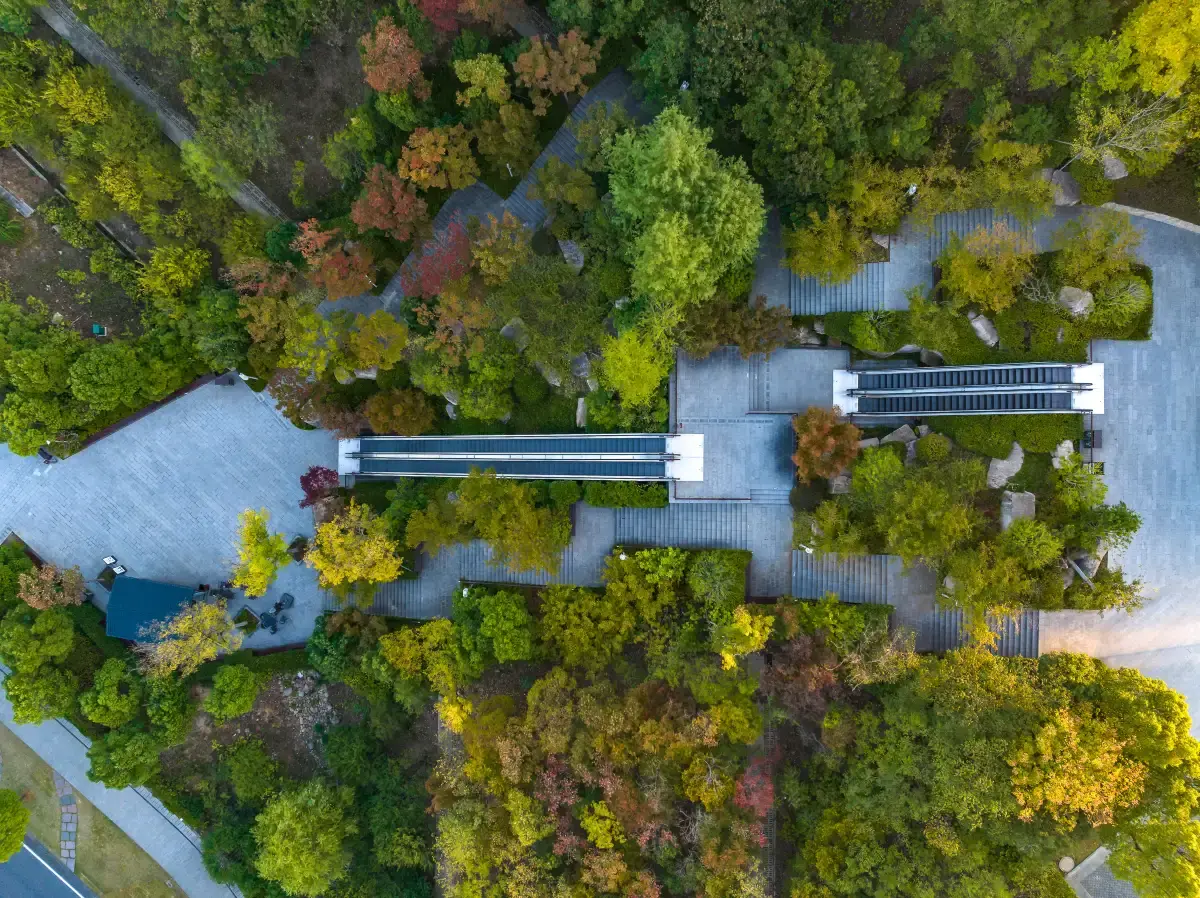
6. The Usnisa Pagoda. Out on the hill again, the ancient brick pagoda rises above the twin peaks that give the mountain its name. Tang Emperor Daizong “once dreamed of the Pratyekabuddha from Niushou Mountain coming to see him” — and the pagoda commemorates the dream. Note: it has periodically closed for maintenance, so check the day’s access.
7. Hongjue Temple. The mountain’s historic temple, first founded as a cave temple in 503 by Sikong Xu Du in the second year of the Liang Dynasty’s Tianjian era, and renamed Hongjue by Li Yu, the last emperor of the Southern Tang. A working thread of 1,500 years, not a museum piece.
8. The Niutou Zen heritage. Here — right here — Tang-dynasty Master Fa Rong, the “Dharma of Dongxia”, founded the Niutou Zen Sect, “Niutou of Jiangbiao”. The school’s role in bridging Indian Zen into Chinese Zen makes this slope quietly significant in the history of East Asian Buddhism; the atmosphere among the pines does the rest.
9. Peach Blossom Creek. Down at the eastern entrance, 14.87 hectares (about 220 mu) of stream-and-blossom landscape: a creek meandering down from Yinlong Lake between banks of 26 varieties of peach blossom. In March and April this is the “Spring Niushou” of the ancient saying, and every photographer in Nanjing knows it.
10. Yinlong Lake. The creek’s source and the route’s quiet pool. Most tour groups hurry past; the mirror-calm water with pagoda silhouettes is one of the mountain’s best-kept camera angles.
11. Zheng He Cultural Park. The great Ming navigator — the man who commanded seven voyages decades before Columbus — rests on this mountain. His tomb and memorial park are shaded, solemn, and a favorite with families: kids who know the story walk out telling it.
12. Yue Fei’s Anti-Jin Fortress. The ramparts where the Song general Yue Fei fortified the pass against Jin cavalry close the day with a different flavor of history — military, wind-scoured, with the southern plain spread below. It is the reminder that this “holy mountain” was also a strategic one.
他们如何连接——工作路线
The twelve stops split naturally into three clusters, and the shuttle system stitches them together. Palace cluster (1–5): ride up from the west entrance and give the whole complex two hours; the interior rewards slowness. Historic cluster (6–8): shuttle or walk to the pagoda hill for the temple, the pagoda and the Zen heritage in one loop. Landscape cluster (9–12): descend toward the eastern entrance for the creek and lake, detour to Zheng He’s park, and finish at the fortress for the view — or flip the order in spring, when the blossoms deserve your freshest morning legs.
One day covers all twelve at a relaxed pace only if you respect the mountain’s size: reviewers are unanimous that walking everything is not possible, that the multi-trip shuttle pass is essential, and that comfortable shoes are not optional. Plan backward from the 16:30 admission cutoff, keep the palace for the quiet morning hours, and let the day end low by the water.
From real trips: a visitor who brought her mother saw the palace, the pagoda and Zheng He’s tomb, and reported the whole family “totally amazed” — “we spent the entire day here.” That is the correct scale of ambition for this list: twelve stops, one unhurried day, zero regret.
Frequently asked questions
Which highlights should I prioritize with only half a day?
The palace cluster (1–5) plus the Usnisa Pagoda (6). If blossoms are in season, trade the fortress for Peach Blossom Creek. This half-mountain, done slowly, beats the full list done at a jog.
Are all twelve included in the standard admission?
Yes — one admission covers the zone and its headline sights. The shuttle bus (~20 RMB all-day two-way) is a separate on-site purchase, and individual structures may occasionally close for maintenance.
Is the route stroller- or wheelchair-friendly?
Largely, yes — reviewers specifically praise ramps and buses that make the park “accessible for all”. The shuttle does the climbing; the palace has step-free circulation; the pagoda hill involves the most gradient.
Where does the full route exist in one place?
The 参观指南 turns these twelve stops into hour-by-hour itineraries — half-day and full-day plans with the shuttle logic already solved.
Twelve stops, one ticket, from $21.75
Book online in five minutes — instant confirmation, e-ticket entry, no printing.
Sources & official references
- Trip.com — Niushou Mountain Cultural Tourism Zone attraction listing (checked October 2026) and official sight descriptions.
- Official history notes: cave temple of 503 (Liang Dynasty), Hongjue Temple renaming, Pratyekabuddha Pagoda, Niutou Zen Sect of Master Fa Rong.
- Official description of the Usnisa Palace: skull-relic worship theme, large and small domes, underground palace six floors below and three above ground.
- Verified traveler reviews on Trip.com (35,221 reviews, 4.7/5 average) for route pacing, accessibility and shuttle logistics.
