







問南京當地人甚麼時候爬牛首山,你會得到四百年前的答案: “《春牛首》. 。這句諺語可以追溯到古都的經典遊覽路線——這座山的雙峰和繁花盛開的山坡,現在仍然如此。但春天並不是唯一好的答案,最糟糕的時期也是可以預見的。本指南詳細介紹了山上的一年:桃花何時真正開放、人群何時湧動,以及 08:30–17:30 的開放窗口如何塑造完美的一天。.
重點
- 三月至四月是經典: 桃花溪裡盛開著26種桃花,即「春牛首」。.
- 08:30 到達 每當你來的時候; 11:00之前,宮殿大廳最為平靜。.
- 避開中國公眾假期 ——假日週末帶來「人山人海」的人群(真實評論家的原話)。.
- 時間固定: 每天 08:30–17:30,入場時間 16:30 結束-從截止時間向後規劃。.
- 特殊的佛教節日 這是唯一公開崇拜頭骨遺物的日子——這是一個罕見的、強有力的理由以不同的方式參觀。.
快速回答: 3 月下旬的週二或週三,抵達開幕 — 門票從 $21.75 開始 攜程網, 東溪繁花,宮中殿堂靜。.
牛首穿越四季
這座山每年都會重塑四次,每個版本都有自己的狀況。. 春天 標題是:東入口變成粉紅色,銀龍湖下的溪流泉水湍急,古金陵名景之一的「牛首煙瀾」的霧氣帶著溫暖回歸。. 夏天 將斜坡變成深綠色的陰影-確實比城市涼爽,儘管正午的陽光照在宮殿的露天廣場上可不是鬧著玩的。. 秋天 brings crisp air, thinning crowds after the October holiday, and the best long views of the year from the pagoda hill. Winter is the quiet season: bare branches, snow on the temple roofs when Nanjing’s rare snowfalls come, and an atmosphere closer to a working monastery than a tourist sight.
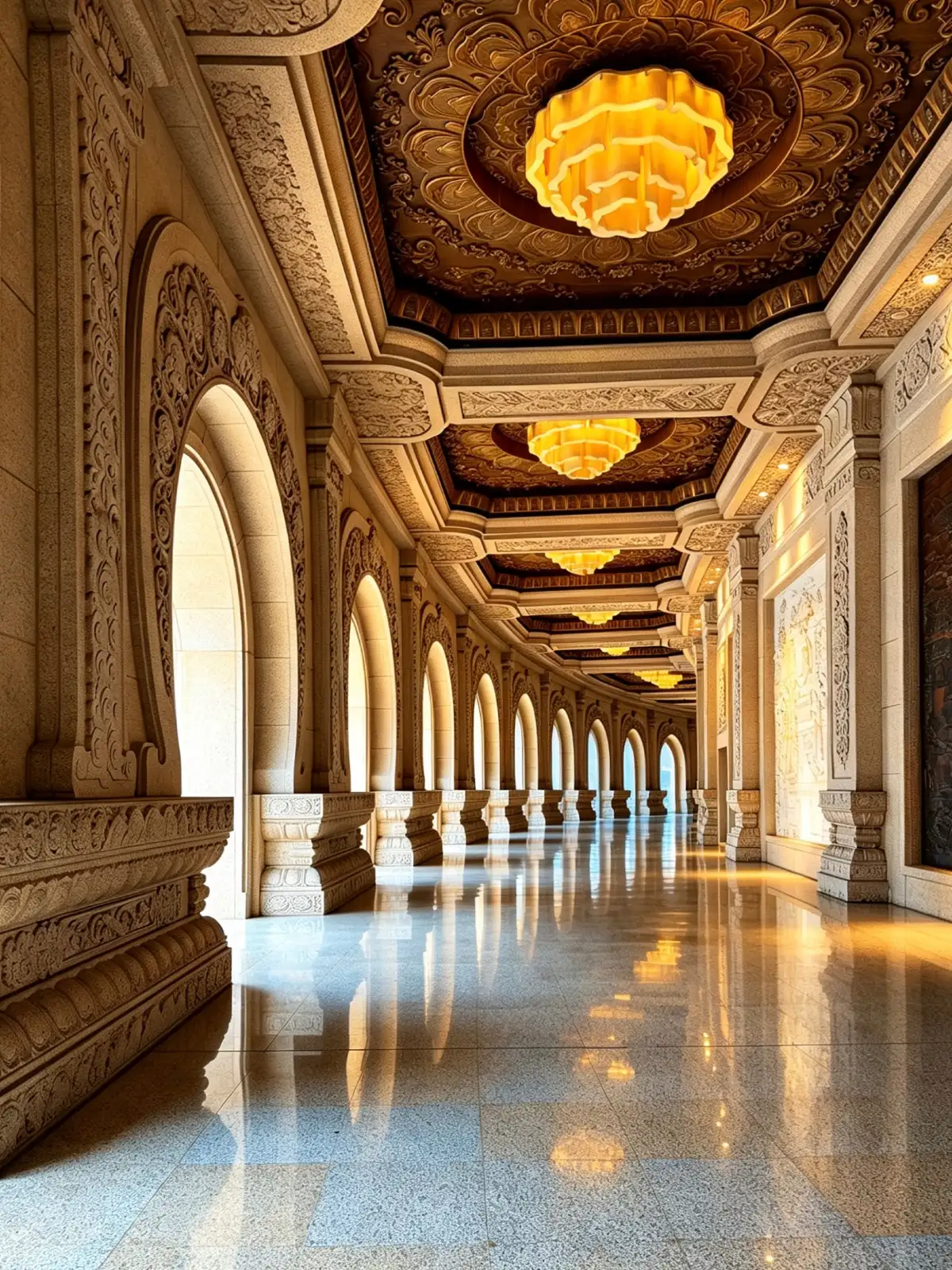
What does not change is the mountain’s architecture. The Usnisa Palace’s interior is deliberately dusk-lit — the blue hall and the relic dome glow the same way in January as in June — which is exactly why bad-weather reviews of Niushou are still glowing reviews. One traveler visited in rain and left the most poetic report on the listing: “I only wish I could come back on a sunny day to experience it all over again.”
春天:開花季節解釋
Peach Blossom Creek (桃花溪) sits at the eastern entrance and covers 14.87 hectares — about 220 mu — of deliberately planted landscape: a stream meandering down from Yinlong Lake, both banks lined with 26 selected varieties of peach blossom chosen to suit Nanjing’s climate. The varieties open in succession rather than all at once, which stretches the season across several weeks, typically March into early April depending on the year’s warmth.
Practical spring notes from our visits: the creek is at its photogenic best in mid-morning side light; the blossoms coincide with university term time, so weekdays stay manageable; and the eastern entrance parking fills fastest during the bloom — the west entrance plus shuttle is the calmer arrival. Combine the creek with the pagoda hill in one loop and you have literally walked the postcard: ancient brick above, pink cloud below.
Photographer’s tip: spring rain is a feature, not a bug. Wet stone deepens every color, the mist returns to the twin peaks, and the palace’s blue hall photographs like a shrine from a dream. Bring a lens cloth.
人群:何時躲避山上的數百萬人
Niushou Mountain is one of Jiangsu’s most visited sights — No. 2 of Best Things to Do in the province, #17 of 428 things to do in Nanjing — and the crowd curve is steep on predictable days. Chinese public holidays are the peaks: one international reviewer who visited during a holiday weekend gave it four stars anyway but warned honestly of “人山人海” — people mountain, people sea — and reported seeing only a fraction of the sights because of the crush.
- Best days: Tuesday–Thursday, any season; the mountain exhales.
- Avoid: the Golden Week weeks of October and May, Qingming in early April, and the summer holiday weekends of July–August.
- Best hours: 08:30–11:00 for the palace; after 15:30 the day-trip waves recede and the light turns golden.
- The buffer rule: whatever your plan, add 30% time on weekends — for queues at the ticket office, the shuttle stops and the elevator down into the underground palace.
時間
The zone opens 08:30–17:30 every day, and admission ends at 16:30. That one-hour gap matters: it is the boarding window, not the closing bell, and late arrivals learn it the hard way every week. The recommended sightseeing time is 0.5–1 day, and the honest math for a first visit looks like this — the Usnisa Palace and its underground floors deserve 90–120 minutes, the pagoda and Hongjue Temple area 60–90, the creek and lake 45–60, plus shuttle time between zones.
Two rhythm patterns work equally well. Early bird: arrive at 08:30, palace first while it is silent, pagoda late morning, long lunch, creek in the afternoon. Slow starter: arrive at 10:00, creek and Zheng He park first, palace after the lunchtime peak, and let the underground chambers be your dramatic finale — they are, after all, the reason the mountain is famous.
節日和文物日曆
Most days, the skull relic of Sakyamuni rests enshrined within the Usnisa Palace. On special Buddhist festivals, it is brought out for public worship — the single most profound thing that happens on this mountain, and the reason pilgrims plan entire trips around a date. The schedule follows the lunar religious calendar rather than a tourist calendar, so it moves year to year; the zone’s official line is to call and confirm.
That number is +86-4001656363 — the ticket-inquiry hotline. Call a few days ahead, ask for the relic-worship dates and the expected opening arrangements, and be prepared for genuine crowds on those specific days: this is devotion, not spectacle, and the atmosphere reflects it. If your travel dates are flexible and witnessing the ceremony matters to you, it is worth every logistics hiccup.
Frequently asked questions
Is one day enough for Niushou Mountain?
Yes — the official recommendation is 0.5–1 day, and a well-planned day comfortably covers the palace, pagoda, creek and one of the parks. Families with young children or photography-driven visitors routinely stretch to a full day and still leave satisfied rather than exhausted.
What is the single worst day to visit?
The first days of October (Golden Week) — the intersection of peak crowds and early-autumn tour groups. If your trip falls on a Chinese public holiday, choose the earliest possible entry hour and buy the shuttle pass without hesitation.
Does the mountain close in winter?
No — hours remain 08:30–17:30 year-round with admission ending at 16:30. Winter is the quietest season and the palace interior, which is deliberately dim and dramatic, loses nothing to the season.
When exactly do the peach blossoms open?
Typically March into early April, with the 26 varieties opening in succession. It shifts with each year’s spring warmth — if the bloom is the whole point of your trip, check recent visitor photos on the Trip.com listing in the week before you go.
Whichever month you choose — start at 08:30
Tickets from $21.75 with instant confirmation and e-ticket entry. The mountain rewards the early.
Timing decided? Next, get the practical layer right: what the ticket includes, how to get there door to door, and the 參觀指南 that ties the whole day together.
Sources & official references
- Trip.com — Niushou Mountain Cultural Tourism Zone attraction listing (checked October 2026): hours 08:30–17:30, admission ends 16:30, recommended sightseeing time 0.5–1 day.
- Official description of Peach Blossom Creek: 14.87 hectares (~220 mu), 26 peach blossom varieties, stream from Yinlong Lake.
- Verified traveler reviews on Trip.com (35,221 reviews, 4.7/5 average) for crowd patterns, spring bloom and weather notes.
- Ticket inquiry hotline +86-4001656363 for the relic-worship festival calendar.
